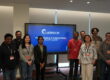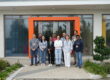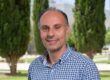

Nirmal Wickramasinghe, a PhD student from Maynooth University, was hosted by SETU for a COALESCE research visit to Finland for a 4 month period. The visit marked a valuable opportunity to deepen his expertise and expand international collaboration within the field of wireless communications and game-theoretic optimization.
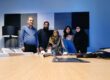
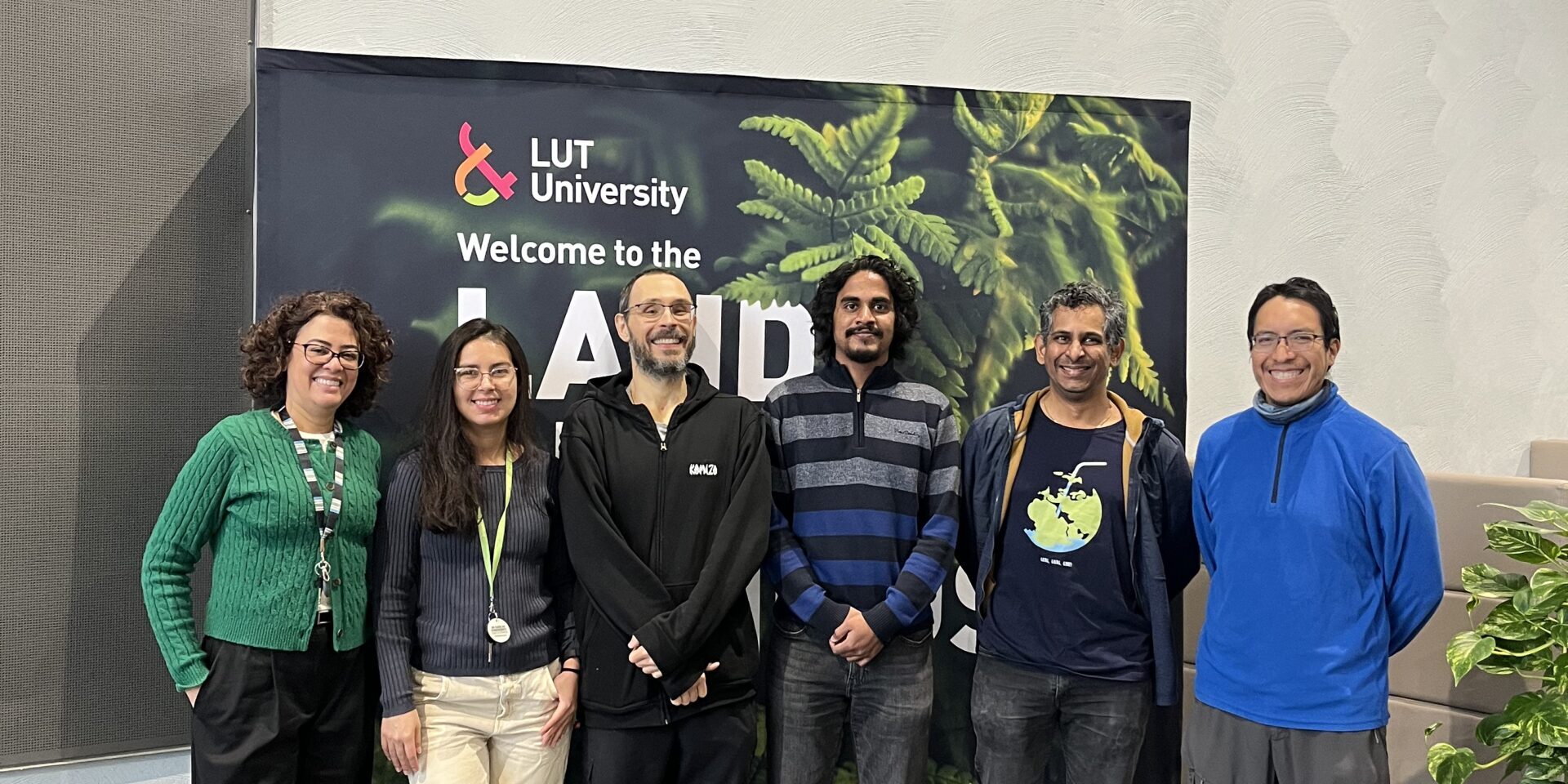
During his stay, Nirmal worked closely with the CPS research team at Lappeenranta University of Technology (LUT) under the supervision of Prof. Pedro H. J. Nardelli and Dr. Arun Narayanan. His research focused on Auction Theory for IoT networks, building on work that has since been accepted for publication in the IEEE Internet of Things journal. Nirmal also advanced his study of Bayesian game theory algorithms, specifically exploring how epistemic strategies could reduce computational complexity.
Expanding on previous research, he initiated collaborative efforts to integrate deep reinforcement learning (DRL) techniques into Bayesian game-theoretic models—an approach that may significantly enhance algorithm efficiency.
Reflecting on his experience, Nirmal highlighted the value of working within a diverse and technically strong research group:
“I learned a lot of technical aspects related to my research area during discussions with the research team. I also gained a clear understanding of the differences between theoretical/academic research—which explores conceptual boundaries—and industrial research, which must meet practical constraints.”
The LUT research group’s wide-ranging expertise in wireless communication, optimization algorithms, and signal processing offered Nirmal deeper insights into the fundamental principles behind optimization tasks in wireless networks. His work also included exploring mathematical concepts related to stochastic geometry, an area closely aligned with his ongoing design of Bayesian game-theory-based algorithms.
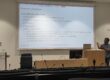
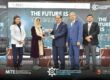
In addition, Nirmal visited Aalto University in Finland to present his ongoing research on auction theory for IoT network optimization algorithms as part of a knowledge sharing activity, hosted by Prof. Risto Wichman. He also presented at the University of Oulu during a research seminar session, thanks to the hosting support of Dr. Hirley Alves, and participated in the 6G Resilience Summit organized by the 6G Flagship at the University of Oulu.
Looking ahead, Nirmal will continue developing game-theory-driven resource allocation optimization frameworks, where stochastic geometry may play a key role in capturing problem incompleteness and reducing computational overhead. He also plans to maintain strong research ties with the LUT team:
“I will continue discussing our research with colleagues at LUT to sustain our collaboration and work together toward future publications.”