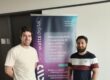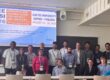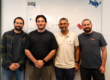

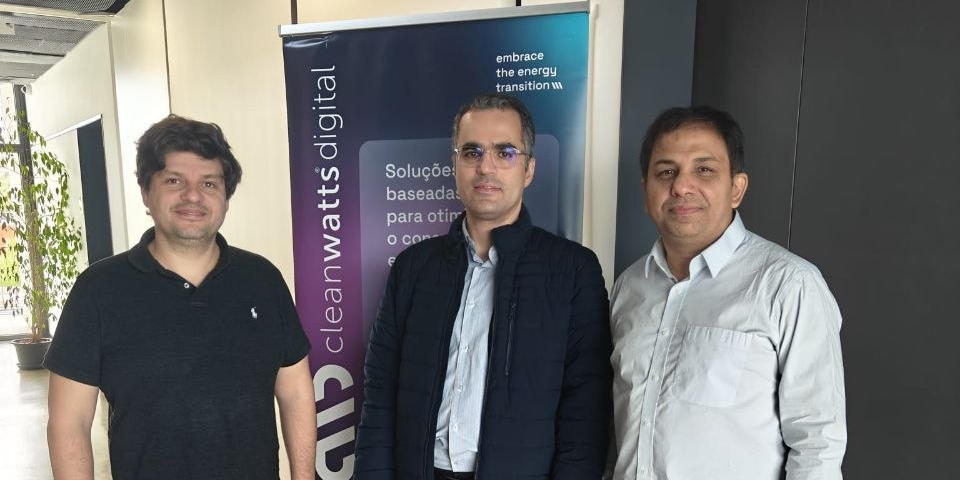
As part of the COALESCE project, Dr. Mohammadali Norouzi, a postdoctoral researcher from LUT University, completed a secondment at Cleanwatts Digital in Coimbra, Portugal. The visit provided a valuable opportunity to strengthen collaboration between academia and industry while exploring how advanced research in smart grids and energy flexibility can be translated into practical solutions for real-world energy systems.
Connecting Research with Real-World Energy Solutions
Cleanwatts Digital was a natural destination for Mohammadali’s secondment due to its strong focus on clean energy communities, digital energy platforms, electricity market participation, and flexible energy management. The placement offered a unique opportunity to gain first-hand insight into how innovative research concepts related to smart grids, distributed energy resources, and local flexibility are implemented in practice for customers, energy communities, and system and market operators.
During his time in Coimbra, Mohammadali worked closely with the Cleanwatts Digital team on topics including battery energy storage systems (BESS) participating in multiple energy markets, digital energy services, data-driven energy management, and flexibility in local energy systems. The collaboration enabled him to connect his research at LUT University on smart grids, energy storage, renewable energy integration, and flexibility markets with the practical needs and challenges faced by industry.
Together with the team, he explored modelling approaches, data requirements, optimisation methods, and potential use cases for energy communities and demand-side flexibility solutions.
Valuable Insights from Industry
The secondment provided Mohammadali with a deeper understanding of the realities of developing and operating digital energy solutions. While research often focuses on theoretical models and optimisation techniques, the experience highlighted the importance of adapting these approaches to real customers, real-world data, and operational constraints.
Reflecting on the experience, Mohammadali shared:
“My biggest takeaway was that the participation of batteries and other flexible resources, such as electric vehicles, in energy and balancing markets must be considered from multiple perspectives. Technical solutions and optimization algorithms are important, but they need to be supported by reliable data, clear business models, appropriate regulations, user engagement, and strong collaboration among energy stakeholders. Seeing these issues from an industry perspective helped me think more practically about how my research can create real-world impact.”
Strengthening COALESCE Collaboration
Beyond its value for individual research development, the secondment also strengthened the partnership between LUT University and Cleanwatts Digital. The visit facilitated knowledge exchange between academia and industry and helped identify practical pathways towards cleaner, more flexible, and more resilient energy systems.
By combining academic expertise with industry experience, the collaboration supports the COALESCE project’s mission to accelerate the development and adoption of innovative energy solutions that empower communities and support the energy transition.
Looking Ahead
The insights gained during the secondment will now feed directly into ongoing research activities within COALESCE. Future work will focus on refining modelling approaches for distributed energy resources, energy storage systems, and demand-side flexibility, as well as investigating how these solutions can support energy communities and multi-market participation.
The collaboration with Cleanwatts Digital also opens new opportunities for future discussions on practical use cases, data requirements, and validation activities, ensuring that research outcomes remain closely aligned with real-world needs and challenges.
Through secondments such as this, COALESCE continues to foster meaningful collaboration between researchers and industry partners, helping transform innovative ideas into practical solutions for a more sustainable energy future.