
Rabbaya Akhtar, a doctoral researcher from LUT University, recently completed a research secondment at DHA Suffa University (DSU) in Karachi, Pakistan. The visit formed part of the ongoing efforts within the COALESCE project to foster international collaboration and knowledge exchange in the field of sustainable energy systems.
Advancing Research in Emerging Energy Systems
DSU was selected as Rabbya’s host institution due to its growing focus on renewable energy research and its relevance to energy system development in emerging economies. The secondment offered a valuable opportunity to explore region-specific energy challenges—particularly those related to renewable energy integration and power system planning—while contributing to the broader objectives of COALESCE.
During her time at DSU, Rabbaya focused on advancing her research on the application of artificial intelligence in power systems and energy markets. Her work explored how AI-driven methods can enhance renewable energy integration, improve forecasting accuracy, and support more efficient energy system operation.
Building Academic Connections
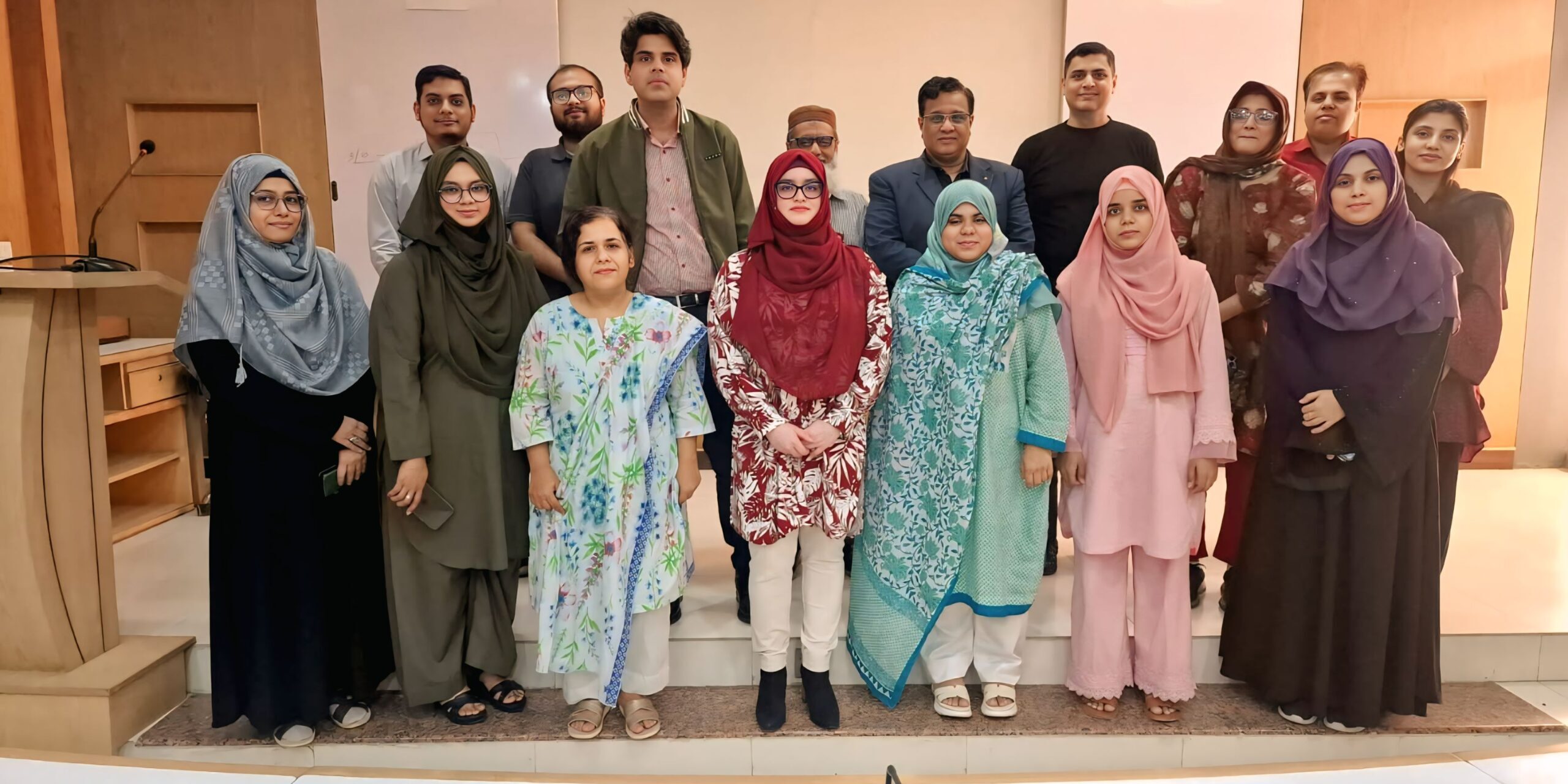
A key aspect of the secondment was collaboration with DSU faculty members, including Dr Shama Siddiqui (Associate Professor), Engr. Dr. Dur Muhammad Soomro (Professor and Dean, EAS), and Engr. Prof. Dr. Ahmad Hussain, along with other colleagues. These interactions enabled valuable academic exchange and laid the groundwork for future joint initiatives.
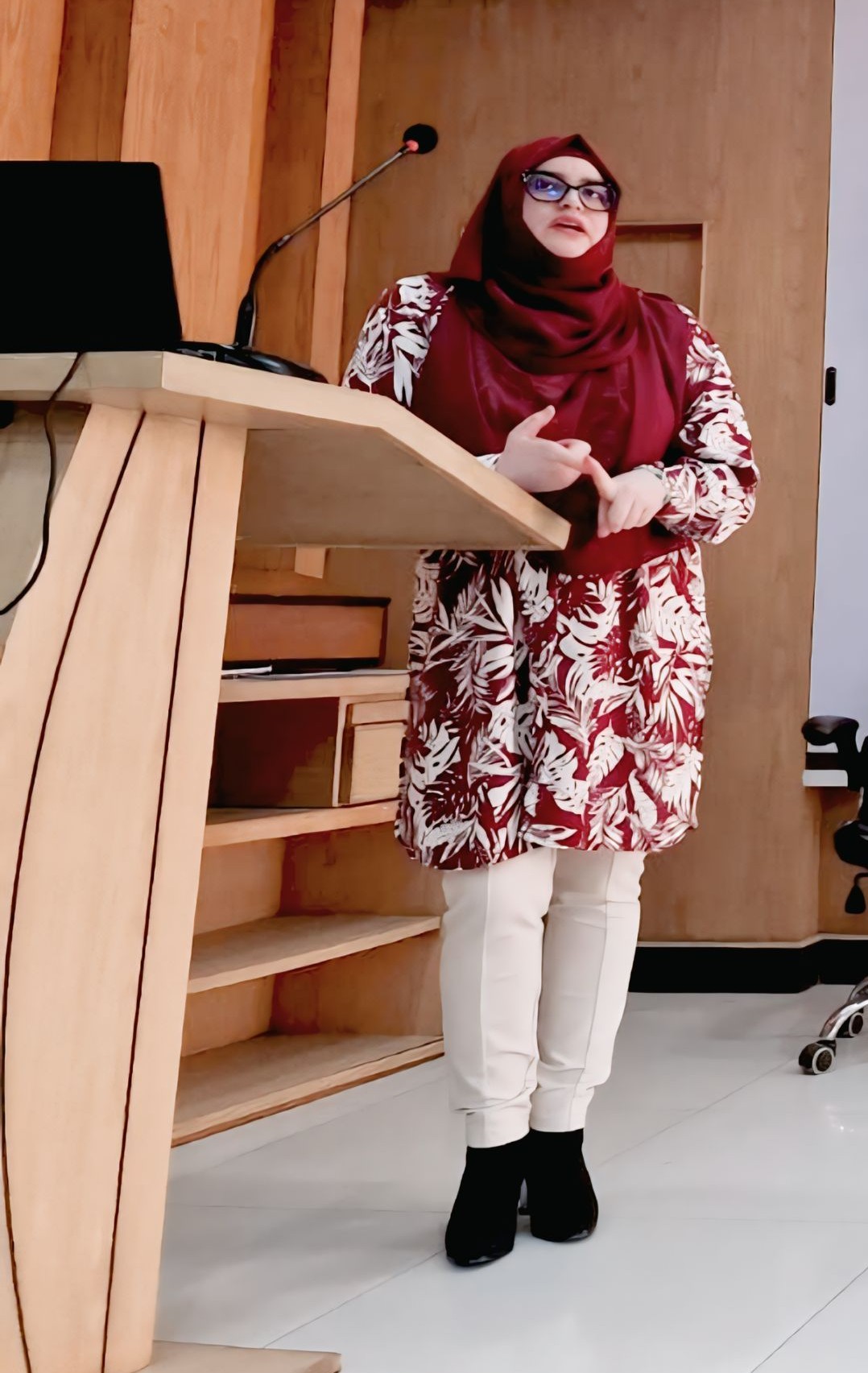
Rabbaya also delivered a guest lecture to faculty members, presenting her doctoral research and highlighting the role of AI-based techniques in improving energy forecasting. With the support of Assistant Professor Engr. Dr. Asif Gulraiz and other fellows at DSU, Rabbaya visited the Electrical Engineering Department laboratories, gaining insight into DSU’s research infrastructure and ongoing projects.
A Valuable International Experience
The secondment provided important exposure to a different research environment, strengthening Rabbaya’s academic network and broadening her perspective on global energy challenges.
Reflecting on her experience, Rabbaya shared: “The most significant takeaway from this experience was the importance of international collaboration in addressing complex energy challenges. Exposure to diverse perspectives and practical constraints highlighted how research can be adapted to different regional contexts, ultimately improving its impact and applicability.”
Looking Ahead
The secondment marks an important step in building sustainable collaboration between LUT University and DHA Suffa University within the COALESCE framework. Discussions are already underway to develop joint research initiatives, including collaborative publications and continued knowledge exchange in AI applications for energy systems. By supporting researcher mobility and fostering global partnerships, the COALESCE project continues to drive innovation in data-driven energy technologies and contribute to a more sustainable energy future.